Jasper Dark Sky Preserve & Stargazing: The Complete 2026 Guide
Where to go, when to look up, the October Dark Sky Festival, northern lights and the planetarium — in one of the largest dark sky preserves on Earth.
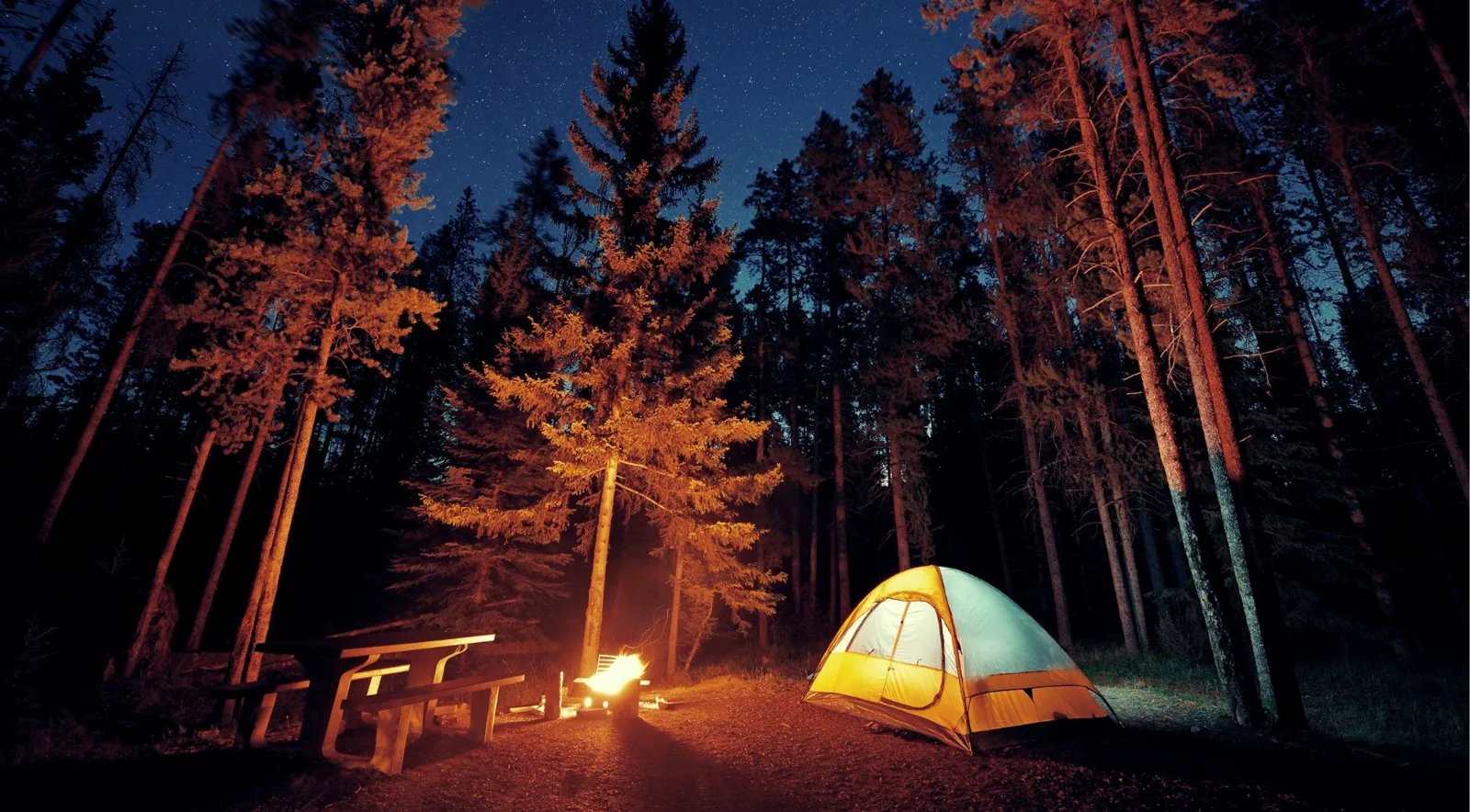
Most people come to Jasper for what they can see by day — glaciers, turquoise lakes, wildlife. But some of the park's most breathtaking scenery only appears after dark. Jasper sits inside one of the largest Dark Sky Preserves on the planet, where the Milky Way arcs from horizon to horizon, shooting stars streak across the black, and the northern lights make regular appearances. If you have never seen a truly dark sky, Jasper will change your idea of what a night sky can be.
This guide covers everything you need to make the most of Jasper's dark skies in 2026: what the preserve is, where to go, when to look up, the famous Dark Sky Festival, northern lights, and the local planetarium.
2026 status at a glance: Jasper's dark skies are, of course, unaffected by the wildfire — they are open 365 nights a year. The Jasper Dark Sky Festival runs October 16–25, 2026. Stargazing viewpoints around town and the lakes are accessible; as always, check Parks Canada for any specific area closures before heading out at night.
What is the Jasper Dark Sky Preserve?
A Dark Sky Preserve is an area formally protected against light pollution, where outdoor lighting is carefully managed to keep the night sky as naturally dark as possible. Jasper National Park was designated a Dark Sky Preserve in 2011 by the Royal Astronomical Society of Canada.
What makes Jasper exceptional is its combination of size and accessibility. At roughly 11,000 square kilometres, it is the second-largest dark sky preserve in the world — and the largest that is genuinely accessible, because an entire town sits within its boundaries. You don't need a backcountry expedition to reach world-class dark skies here; you can step outside your hotel and look up.
Why Jasper's skies are so good
Several things come together to make Jasper one of the best stargazing destinations in North America:
- Minimal light pollution. Protected status and thoughtful town lighting keep the sky dark.
- High elevation and dry mountain air. Thinner, clearer air means sharper, brighter stars.
- Northern latitude. Jasper's location makes it a strong candidate for aurora (northern lights) viewing on active, clear nights.
- Wide-open viewpoints. Lakeshores and meadows offer unobstructed horizons in every direction.
On a clear, moonless night, the number of visible stars — and the brightness of the Milky Way — can be genuinely startling to anyone used to city or suburban skies.
Other Experiences You Might Enjoy
The best stargazing spots
You can stargaze almost anywhere in the park away from lights, but these spots are local favourites for their dark horizons and easy access:
- Pyramid Island (Pyramid Lake). Reached by a short footbridge, this small island offers 360-degree views over the water with Pyramid Mountain as a backdrop — one of the most popular and photogenic night-sky spots near town. Ideal for the Milky Way and aurora reflections on calm water.
- Lake Annette & Lake Beauvert. Easy to reach, with open shorelines and mountain backdrops.
- Old Fort Point. A short climb rewards you with elevated, open views over the valley.
- Maligne Lake. Darker and more remote (about an hour from town), with spectacular skies for those willing to make the drive.
- The Athabasca Glacier / Columbia Icefield area. Very dark, high, and dramatic, though a long drive south — best combined with an overnight or a dedicated tour.
Tip: any lakeshore facing away from town lights will do. The key ingredients are a clear sky, minimal moon, and an open horizon.
When to go stargazing
Darkest, longest nights: autumn and winter. From September through winter, nights are long and dark, delivering the most viewing time. Winter skies are crisp and clear (dress very warmly).
Summer caveat: In June and July, Jasper's northern latitude means the sky doesn't get fully dark until quite late in the evening — you may be waiting until after 11 PM for true darkness. Stargazing is still wonderful in summer; you just start later.
Plan around the moon. A bright full moon washes out fainter stars and the Milky Way. For the darkest skies, aim for the nights around the new moon.
Check the weather. Clear skies are everything. A cloudy night, no matter how dark the preserve, means no stars — so watch the forecast and stay flexible. Our season-by-season guide sets out how the rest of the year lines up.
The Jasper Dark Sky Festival
The park's dark skies get their own headline celebration each autumn: the Jasper Dark Sky Festival, one of Canada's premier astronomy events.
- 2026 dates: October 16–25, 2026.
- What to expect: a mix of free and ticketed events, from fireside astronomy chats and family-friendly activities to expert talks, telescope sessions, and the festival's signature "Symphony Under the Stars" — a concert performed beneath the night sky, typically staged at Lac Beauvert by the Fairmont Jasper Park Lodge on the festival's opening weekend.
- Tickets: range widely, from free community events to premium experiences. Popular events sell out, so book ahead if you are timing your visit to the festival.
If you can align your trip with mid-October, the festival is a spectacular way to experience Jasper's skies alongside astronomers, musicians, and fellow stargazers.
Chasing the northern lights
Jasper's location and dark skies make it one of the more accessible places in the Rockies to catch the aurora borealis. Sightings are never guaranteed — they depend on solar activity — but the odds are meaningfully better here than in most southern destinations.
To improve your chances:
- Go on clear, moonless nights away from town lights (Pyramid Island is a classic aurora spot).
- Look north toward the darkest horizon.
- Check aurora forecasts (services like AuroraWatch track geomagnetic activity) and be ready to head out on short notice.
- Be patient and dress warmly — auroras can appear and fade over hours, often peaking after midnight.
- Autumn and winter offer the longest dark windows and best odds.
The Jasper Planetarium
For a guided introduction to the night sky — especially useful if clouds threaten or you want expert help — the Jasper Planetarium offers dome shows and telescope viewing experiences. On clear nights, guests can look through large telescopes at planets, star clusters, and distant galaxies; when weather doesn't cooperate, the indoor dome show still delivers. The planetarium also runs special experiences during the Dark Sky Festival, including combined dinner-and-stargazing evenings. It is an excellent option for families, first-time stargazers, and anyone who wants context rather than just a dark field.
Practical stargazing tips
- Let your eyes adjust. It takes 20–30 minutes for your eyes to fully adapt to darkness. Avoid looking at your phone; use a red-light flashlight to preserve night vision.
- Dress far warmer than you think you need. You'll be standing still for a long time, and mountain nights are cold even in summer.
- Bring the basics: a headlamp with a red mode, a blanket or chair, hot drinks, and a star-map app (used with red light or brightness way down).
- For photography: a tripod, a wide fast lens, and long exposures (10–25 seconds) capture the Milky Way beautifully. Pyramid Lake reflections make stunning foregrounds.
- Respect wildlife and other stargazers. Keep noise and light low, stay on established areas at night, and be bear-aware even after dark.
Why it belongs on your itinerary
It is easy to fill your Jasper days with glaciers and lakes and forget to look up at night — but the dark sky is one of the park's defining wonders, and it costs nothing. Spend even one clear night at a lakeshore here and you will understand why Jasper protects its darkness so fiercely. Whether you time your trip to the October festival, chase the aurora in winter, or simply wander down to Pyramid Island after dinner, the night sky may be the most unforgettable thing you see in Jasper.
Jasper Dark Sky & Stargazing: Frequently Asked Questions
What is the Jasper Dark Sky Preserve?
A Dark Sky Preserve is an area formally protected against light pollution, where outdoor lighting is carefully managed to keep the night sky as naturally dark as possible. Jasper National Park was designated a Dark Sky Preserve in 2011 by the Royal Astronomical Society of Canada. At roughly 11,000 square kilometres it is the second-largest dark sky preserve in the world — and the largest that is genuinely accessible, because an entire town sits within its boundaries.
Where are the best stargazing spots in Jasper?
Pyramid Island on Pyramid Lake is the most popular and photogenic, reached by a short footbridge with 360-degree views and Pyramid Mountain behind. Lake Annette and Lake Beauvert are easy to reach with open shorelines. Old Fort Point rewards a short climb with elevated valley views. Maligne Lake is darker and more remote, about an hour from town. The Athabasca Glacier and Columbia Icefield area is very dark and dramatic but a long drive south.
When is the best time to stargaze in Jasper?
Autumn and winter have the darkest, longest nights. From September through winter, nights are long and dark, delivering the most viewing time, and winter skies are crisp and clear — dress very warmly. In June and July the northern latitude means the sky does not get fully dark until quite late, so you may wait until after 11 PM for true darkness. Aim for nights around the new moon and watch the forecast.
When is the Jasper Dark Sky Festival in 2026?
October 16–25, 2026. It is one of Canada's premier astronomy events, with a mix of free and ticketed events — fireside astronomy chats, family activities, expert talks, telescope sessions, and the signature Symphony Under the Stars, a concert beneath the night sky typically staged at Lac Beauvert by the Fairmont Jasper Park Lodge on the opening weekend. Popular events sell out, so book ahead.
Can you see the northern lights in Jasper?
Yes. Jasper's location and dark skies make it one of the more accessible places in the Rockies to catch the aurora borealis. Sightings are never guaranteed because they depend on solar activity, but the odds are meaningfully better here than in most southern destinations. Go on clear, moonless nights away from town lights, look north, check aurora forecasts such as AuroraWatch, and be patient — auroras often peak after midnight.
What is the Jasper Planetarium?
The Jasper Planetarium offers dome shows and telescope viewing experiences — a guided introduction to the night sky, especially useful if clouds threaten or you want expert help. On clear nights guests look through large telescopes at planets, star clusters and distant galaxies; when weather does not cooperate, the indoor dome show still delivers. It also runs special experiences during the Dark Sky Festival, including combined dinner-and-stargazing evenings.
What should you bring stargazing in Jasper?
A headlamp with a red mode, a blanket or chair, hot drinks, and a star-map app used with red light or brightness right down. Dress far warmer than you think you need — you will be standing still and mountain nights are cold even in summer. Let your eyes adjust for 20–30 minutes and avoid looking at your phone. For photography, bring a tripod, a wide fast lens and shoot long exposures of 10–25 seconds.